1
Instrument business events
The important signal is often workflow state, provider response, queue delay, or data freshness rather than raw server metrics.
I help teams add the telemetry, audit trails, alerts, and incident habits that make operational software easier to trust when orders, shipments, quotes, and integrations start drifting.
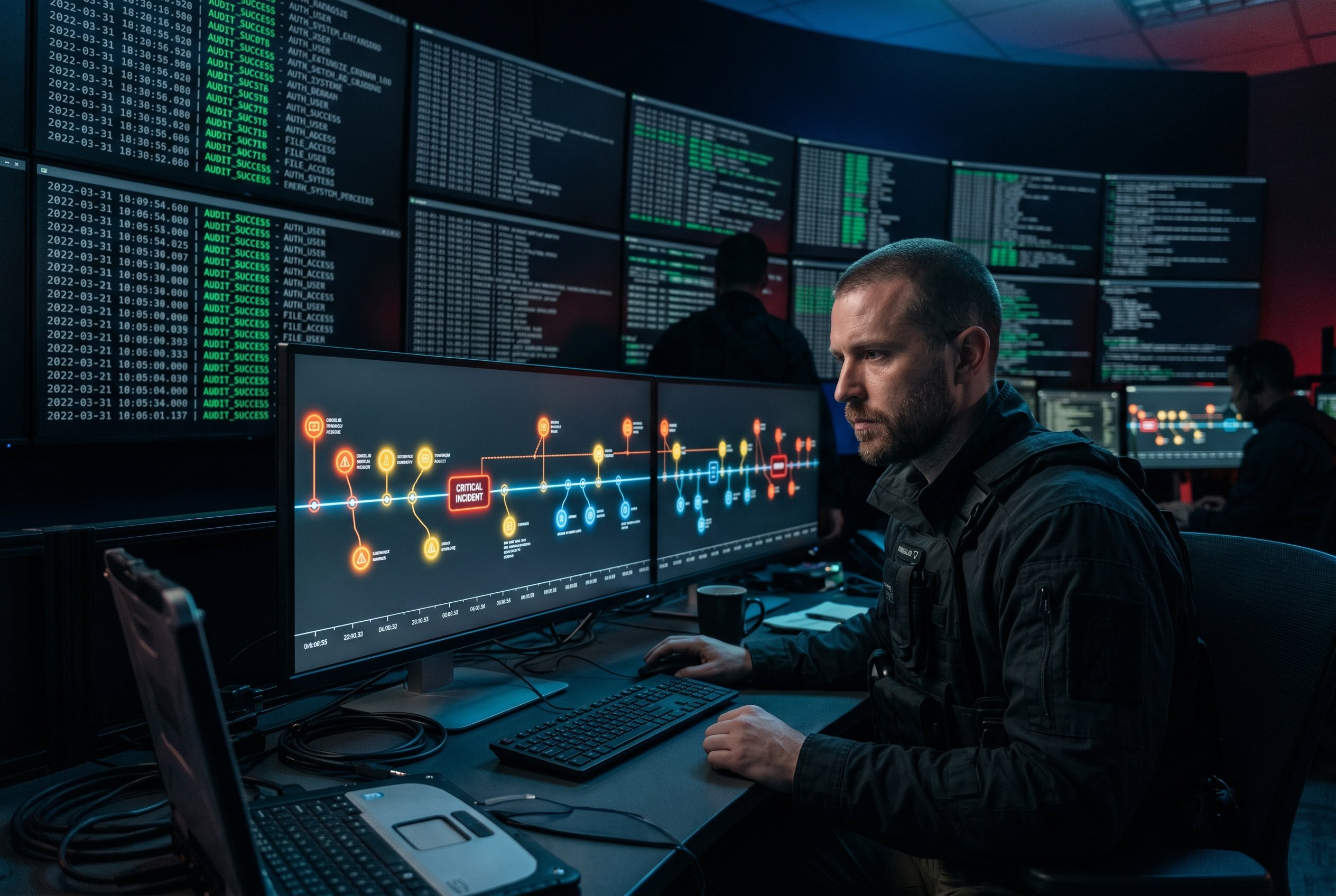
The important signal is often workflow state, provider response, queue delay, or data freshness rather than raw server metrics.
Good telemetry should help the team say what broke, who is affected, what changed, and what recovery path is active.
Post-incident improvements should feed back into alerts, runbooks, dashboards, and safer processing behavior.
Start with business-critical workflow freshness, provider responses, queue health, failed jobs, stale shipment data, and user-visible exceptions.
Make failure visible earlier, preserve enough context to diagnose it, and define the incident update path before the outage.
Send the messy context. I can help sort the workflow, the system boundary, and the first useful implementation slice.