Logistics integration patterns that survive production
The useful parts of integration work are rarely the happy path. These notes are about messy payloads, partial failures, retries, normalization, and how to keep operations trustworthy anyway.
This is the production-side view: what actually kept dashboards, timelines, ETAs, and operator workflows from drifting into guesswork.
Carrier data is only useful when the failure behavior is designed
These pages connect the operational side of logistics integrations with the engineering patterns underneath: canonical milestones, replay-safe processing, fallback providers, audit-friendly raw payloads, and health signals that explain what went wrong.
Carrier API failure modes
Timeouts, duplicate events, payload drift, rate limits, and the recovery patterns that matter.
Carrier API integration services
Normalization, retries, fallback logic, source payload retention, and provider health signals.
EDI invoice loop example
One of the more specific integration stories that still deserves a stronger crawl path.

Resilient Multi-Provider Tracking: Intelligent Fallback Across Project44, Ocean Insights & Carrier APIs
How I designed and shipped a health-aware, quality-scored fallback system that dramatically improved shipment visibility continuity when primary tracking providers failed or returned incomplete data.

Resilient API Integrations: Rate Limiting, Retry, and Fallback Patterns That Actually Survived Production
How I designed and shipped production-grade retry, proactive rate limiting, and intelligent fallback logic across multiple third-party logistics APIs (Project44, Ocean Insights, Shipsgo, Magaya). No more cascading failures.

Defensive Data Contracts: Stopping Bad Logistics API Data Before It Breaks Everything
How I introduced strict schema validation, normalization pipelines, and graceful degradation to protect our systems from inconsistent and drifting third-party logistics payloads (Project44, Ocean Insights, Shipsgo, etc.).

Making Tracking Events Idempotent: Handling Replays Without Breaking Timelines
How I designed and built idempotent event processing so carrier retries, webhook replays, and historical backfills no longer create duplicate milestones or corrupt shipment timelines.

Unified Milestone Model for Cross-Carrier Shipment Tracking
Normalized inconsistent carrier tracking events into a canonical milestone model for reliable cross-provider timelines in ocean and air workflows. Reduced operator translation effort and enabled consistent analytics without losing source traceability.

Carrier API Failure Detection & Actionable Alerting
Production-grade monitoring and alerting for unreliable carrier APIs — early detection of outages, data degradation, and business impact in a logistics platform. Reduced alert noise and improved triage speed.

Structured Debug Workflow for Logistics API Incidents: Replay + Schema Guardrails
Repeatable operational triage for flaky carrier and platform integrations: fingerprinting, correlation timelines, safe replay tooling, schema validation, and failure taxonomy to make isolation faster and less person-dependent.
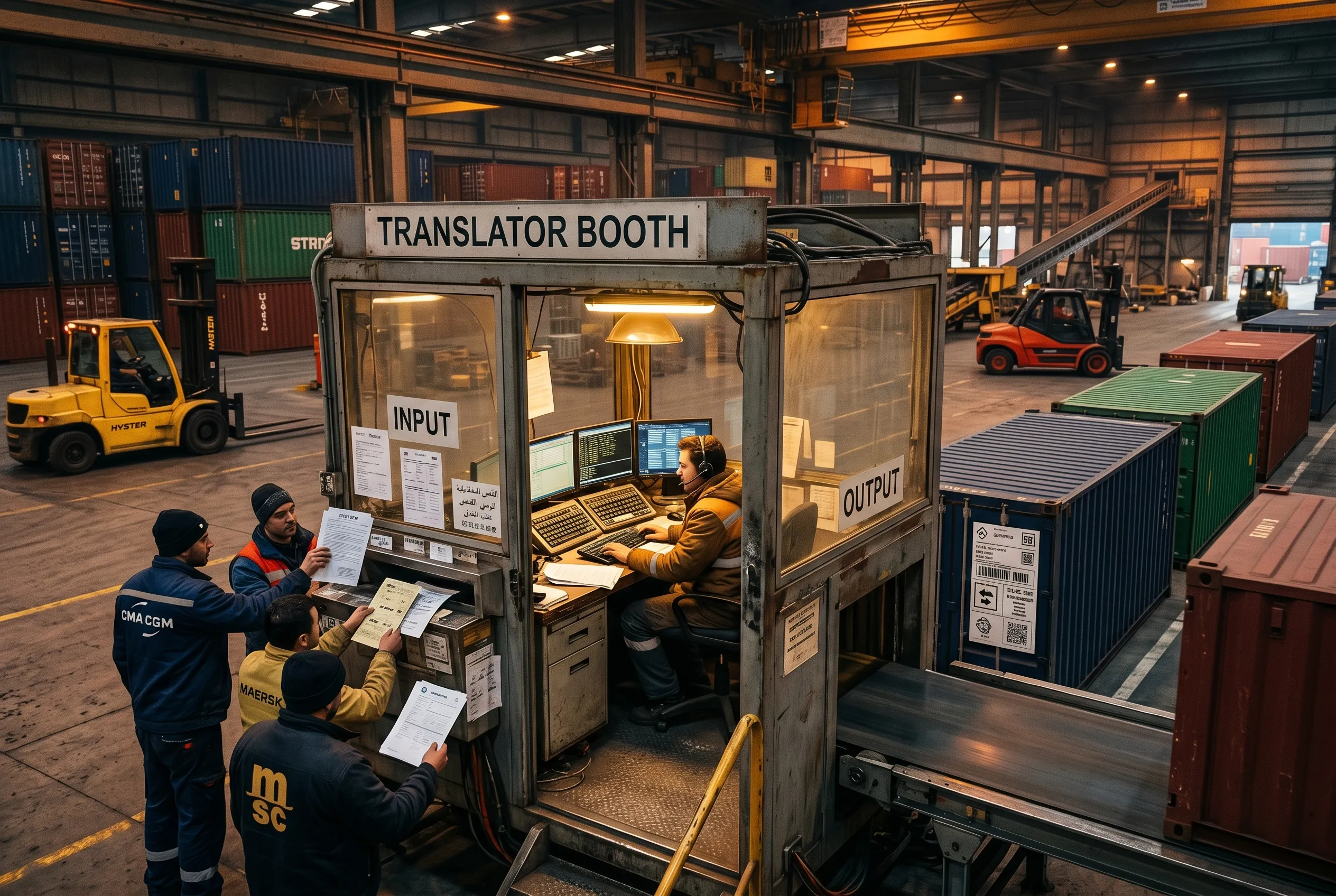
Turning Carrier Chaos into Reliable Milestones: My Normalization Pipeline
How I built a normalization layer that converts inconsistent tracking events from Project44, Ocean Insights, Shipsgo, and other carriers into clean, standardized milestones used across dashboards, alerts, and customer notifications.

Closing the EDI Invoice Loop With FTP, XML Templates, and Receipt Tracking
How I built a partner-specific EDI invoice workflow with FTP delivery, XML template generation, acknowledgement imports, and resend controls so invoice delivery was tracked instead of guessed at.

Magaya Quote and Shipment Data Reconciliation
Hardened Magaya-facing quote and shipment integration paths with clearer processing semantics, complete payloads, and explicit freshness control.

Turning Raw TMS Payloads Into a Queryable Operational Data Model
How I turned messy shipment payloads from an upstream TMS into a normalized operational data model that downstream systems could query, trust, and build on.
What these integrations cover
The categories here are less about vendor names and more about the failure classes that kept showing up in production.
Data Modeling
3 integrations in this theme.
Reliability
3 integrations in this theme.
Data Quality
1 integration in this theme.
EDI
1 integration in this theme.
Incident Response
1 integration in this theme.
Observability
1 integration in this theme.
Reconciliation
1 integration in this theme.
Using something not listed?
I've probably worked with it or something similar. Let's chat about your stack.